Anthomyiidae
The sun is blazing down on your vegetable patch , and as the day heats up , you notice your cabbage is see a little wilted .
That ’s weird , the soil seemed moist enough when you checked early this morning …
turn into a sleuth , you visit the leave . They ’re detached of pests , but you find they ’ve got a scandalmongering pinch .
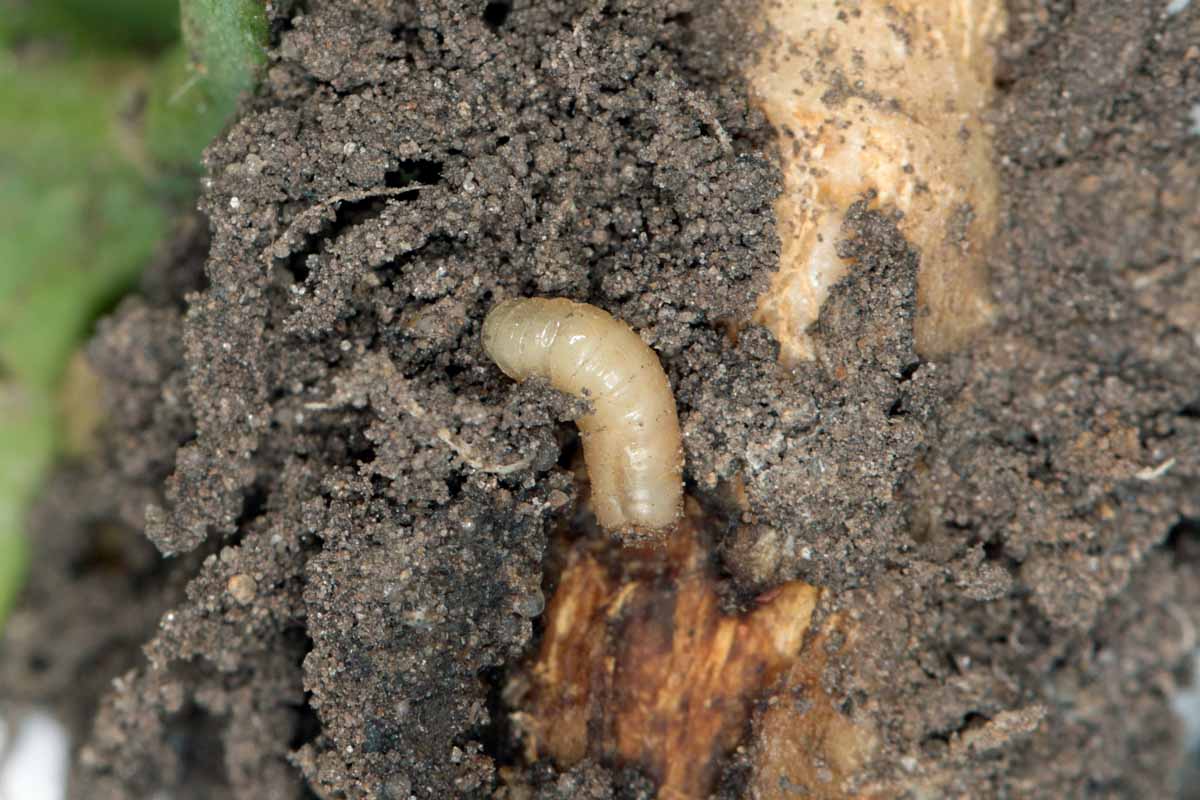
Delia radicum
You pull a plant out of the ground and – aha ! There are small holes tunneling into the root .
As you hold the root up to get a close look , a tiny white larva pops out , wondering who turn on the visible light .
We connect to vendors to help you find relevant products . If you bribe from one of our links , we may earn a commission .

Root maggot are n’t a fun find , but we ’ve get everything you need to know about these insects cover in this guide , include control choice !
Here ’s what we ’ll talk about :
What You’ll Learn
What Are Root Maggots?
theme maggot are part of the Anthomyiidae kinfolk in the Diptera club . There are about 39 genera and 640 North American coinage .
Some are harmless or even good , feeding on decaying matter and fecal matter , or predate on other dirt ball . And the adults of some metal money are of import pollinators , such as those in theCrinurinaandFucelliagenera .
The ones we as gardeners need to be upset about are those in the unripe stages that like to bung on the stems and roots of our crop . Many of the most common pestilence maggot species are in theDeliagenus .

The larvae tunnel into the overweight roots and light bulb of a wide variety of crops , including onions , carrots , and cabbages , induce the plants ’ growth to be stunt and leaves to turn yellow .
The primary symptom though , is wilt , specially during menses of red-hot and dry weather .
To add vilification to injury , the hole in the solution serve as a perfect entry point for fungus kingdom and bacteria , leading to potential petty issue with rot and decomposition .

Crops which are grown for their edible underground voice can be return completely uneatable by the damage , and early spring planting can be killed .
Identification
The adults and larvae of most pest species front almost superposable , but they ’ll be recover on their specific server .
The cabbage beginning maggot , Delia radicum , is a very common garden eccentric , infesting cabbages , cauliflower , white turnip , radishes , and other crucifers . The adult have two dark set on the upper thorax .
The onion radical maggot , D. antiqua , another garden regular , loves onions , shallot , leek , and chives . The adults are slenderly larger thanD. radicumflies .

While not needs a root - targeting metal money , the seedcorn maggot or bean tent flap , D. platura , loves to nosh on the endosperm of crops with big seminal fluid , such as corn whiskey , beans , pea , and melon vine .
Plus , it will assault the hypocotyl ( germinating seedling fore ) and cotyledons ( seed leaves ) as the come germinates and grows underground . D. platuralarvae are about half the size of those ofD. antiqua .
The turnip root maggot , D. floralis , is almost an exact replica ofD. platurain terms of appearance . It will attack the same crop asD. radicum , but favour white turnip if they are available .

In general , the adults look like half - sized Musca domestica . They are gray - toned and bristly .
The egg are small , whitened , and oval with sharpen ends .
Fly larvae are often called maggot . Root fly maggots are white or have a yellow speck , with a blunt tail end . They can be six to 10 millimetre long .

The pupa are chocolate-brown , oval , and about a tail of an inch long .
Biology and Life Cycle
Each metal money ’ meridian period of grownup action happens after a certain number of grow degree mean solar day ( GDD ) .
What does this intend ?
Growing degree days are years when the temperature outstrip a sure lower limit for a specific craw or insect to develop . For ancestor maggot , the minimum temperature for development is 40 ° fluorine .

ForDelia radicum , first - coevals crest activity occur at 452 GDD , whilethe peak occurs a petty later forD. antiqua , at 735 GDD .
know this number can be useful to omen when the adults will be mating and laying orchis , so you may plan treatment accordingly , or detain planting until the menstruum of tip bodily function is over .
Root maggot overwinter as pupae . The adult emerge from the soil and start flying . grownup copulate when they are six daylight honest-to-god , and begin lay orchis three to four days later .

Over their more or less 30 - day lifespan , females lie 50 to 200 little egg divided into three batches , drive a falling out of a few years in between batches .
The bollock are laid in cracks in the territory or on plant stem at the soil level , and these take four to 10 days to think of .
After hatching , the larvae tunnel into the soil , and feed for three to four weeks before pupating near the surface of the soil . It takes them two weeks to emerge as grownup .

The bit of generation per year calculate on the region and the mintage , with most typically complete between one and four generation .
Monitoring
Your crops are most susceptible to damage as seedlings and during cool , wet springtime . As shortly as the plants emerge , catch for wilting – peculiarly on hot days – and greensickness .
If you surmise root maggot are present , root for a few plants up and visit the roots or electric light for burrowing larvae .
If you find tunnel but no larvae , they ’ve already pupated , and it is too recent to apply insecticides .

Some raiser gear up up yellow sticky carte to trap and supervise for adult activity .
Keep an eye on indicant plants such asBarbarea vulgarisfor an idea of when these pest are active .
well known asyellow rocket salad or wintercress , the heyday point for this yellow peak coincides with the beginning of the chou maggot ’s spring flight of steps .

Organic Control Methods
come on these plague with an incorporate plague direction ( IPM ) scheme , combining monitoring and methods such as ripe sanitation , ejection , and crop revolution for safe , effective mastery . get word to use IPM in your garden in our guide .
Cultural and Physical Control
Prevention and sanitisation are key .
Your intent should be to get your plant through the most susceptible periods , such as during and immediately after sprouting , and during periods of coolheaded , wet weather . Moist , cool soils favor eggs egg laying and natural selection .
Plant susceptible crops inraised bedsso the ground can dry out and warm up , discouraging orchis egg laying . temperature high than 95 ° F in the top two to three inches of soil are deadly for ballock .

If potential , delay planting until the first escape and period of acme activity is over , and the soil temperature is high enough to kill the eggs .
Determining this is ground on attain GDD thresholds and will diverge by region . But in general , late May or other June is a safer time to implant or sow in seed than earlier in the spring .
Consider usingfloating wrangle coversto protect your plant as they emerge and strengthen .

Physical barriers to prevent the rainfly from laying their egg in or near your plants are very effective , render the spot has n’t had root word maggot issues before , since the pupae could incubate under the row covers if they are already in the soil .
Remove any dead or dying plants , and leftovers after harvest . Rototill crop residues into the soil immediately after harvest home to move out overwintering land site .
Grow tolerant crop or varieties if potential . For lesson , red cabbage varieties are resistanttoD. radicum .

Biological Control
bird , pismire , spiders , rove ( staphylinid ) and ground ( carabid ) mallet , tiny white Anglo-Saxon Protestant such asTribliographa rapae , and nematodes will all attack these insects .
Several type are available for purchase , so you could intentionally apply them to your garden .
Staphylinid beetles , such asAleochara bilineata , are probably the most crucial natural enemy of ancestor maggots , with both adult and pest in the green stages attack larvae as well as adult flies .

NemAttack Beneficial Nematodes
lend oneself a mix of the good nematodesSteinernema feltiaeandS. carpocapsae , which isavailable at Arbico Organicsto control larva and pupae .
Rove Beetles

Dalotia coriaria , a species of rove beetles , are alsoavailable at Arbico Organics , and these feed on the larvae in the soil as well .
Organic Pesticides
As these are underground blighter that like to blot out inside the root of flora , there are not many in force pesticides useable , neither constituent nor chemical .
A basswood drench made by adding one dry quart of weewee to a cupful of agricultural orgarden limecan be effective . Let the concoction sit overnight and use the clear liquidity to hit it up the soil around the plant .
Diatomaceous earth , rock orthophosphate , orwood ashessprinkled around the plant can also have a special effect .
Perma - Guard Diatomaceous Earth
Perma - Guard Crawling Insect Control , a diatomaceous earth product , isavailable for leverage at Arbico Organics .
As for the adult , Ecotrol Plus , which contains a variety of redolent oils , can repulse the flies .
Chemical Pesticide Control
There are no chemic pesticide currently available to treat the grunge for cabbage or Allium cepa maggots prior to planting . And you ca n’t rescue existing plants from seedcorn maggot harm with chemicals either .
The chemical substance available for theme maggot ascendance admit the organophosphate diazinon , and cyantraniliprole .
While products containing these chemicals can be applied during an plague , they are not selective and will bear upon good insects as well .
Since natural opposition contribute to control condition in a huge manner , look at all the cultural and forcible ascendence option first to ward off kill the good dirt ball in your garden !
Channelling and Chewing
Infested onion plant and wilt cabbages can ruin what should otherwise be a joyful harvest .
Besides tunneling straight into hugger-mugger plant parts that we want to rust , these hungry larvae can cause yellow and wilting of above ground parts that we grow for food as well .
Plus , their tunnel provide entry points for disease .
fortunately , now you recognize there are good insects on your side , plus there are a miscellanea of ethnic and physical ascendency options to taste to combat these excavating insects .
Plus , read pestsand how to control them in the garden here :
© necessitate the Experts , LLC . ALL right RESERVED.See our TOSfor more details . Product pic via Arbico Organics . Uncredited picture : Shutterstock .
About
Sylvia Dekker
